
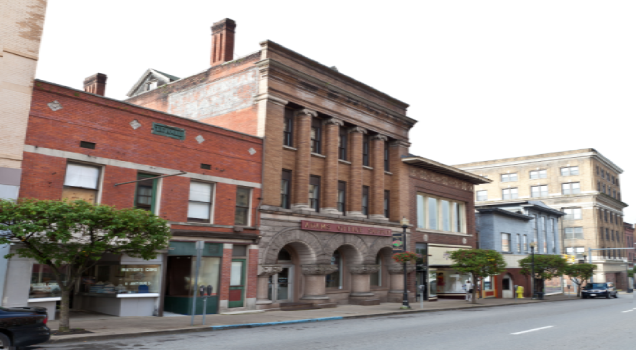
Fairmount sits about two miles south of downtown Fort Worth, and the city treats it as one of its local historic districts. The City of Fort Worth’s description of the Fairmount/Southside Historic District calls it an early 20th-century streetcar suburb of about 375 acres, developed between 1890 and 1938, with the largest concentration of houses from 1905 to 1920. Wood-frame bungalows are the most common house there, with Four Square homes scattered through it and the grandest houses toward the east side.
The Census agrees. In tract 1041, which covers about four fifths of the neighborhood association’s mapped area, roughly two of every three homes were built in 1939 or earlier, and the median year built is reported only as “1939 or earlier”, the oldest bracket the survey publishes.
Our licensed electricians and plumbers work across 76104 and 76110 with same-day appointments. Call 817-290-3373.
| What the house has | What we do about it |
|---|---|
| A fuse box, a small panel or no open breaker slots | Replace or upsize it with an electrical panel upgrade, permitted and inspected |
| Knob-and-tube wiring still in use | Inspect it first, then rewire the circuits that need it |
| Galvanized supply lines, low pressure, rusty water | Quote a whole-house repipe in PEX or copper |
| No ductwork, or ducts that miss the back rooms | Fit ductless heads that need only a small line set through the wall |
| A remodel or a sale coming up | An electrical safety inspection before the walls close or the buyer’s inspector arrives |
We inspect before we recommend anything, and you get an upfront price before the work starts.
In a historic district, the city’s review is about the outside of the house. The city’s Historic Preservation program says any change to the exterior of a historic property requires a Certificate of Appropriateness before permits are issued or construction begins. Most of what we do in a Fairmount house happens inside, in the attic, the walls and the panel. When a job does show on the outside (a new outdoor condenser location, a relocated meter base, a line set running down a front wall), check with the city’s Historic Preservation office first, and we will plan the routing with that answer in hand.
Under the street, the city plans to replace old pipe of its own. Fort Worth Water’s Magnolia Avenue and Fairmount project replaces cast iron water mains on streets including West Magnolia Avenue, 5th Avenue, Washington Avenue and Hemphill Street, plus sewer mains in the alleys between 5th Avenue, Henderson, Adams, College and Alston. The project page lists it in design and says it will affect the Fairmount Neighborhood Association. The city started its cast iron program to cut down on water main breaks, and its water managers have committed to replacing at least 20 miles of cast iron pipe a year.
The private line from the meter to your house is not part of that work. Fort Worth Water’s service line inventory makes the owner responsible for that stretch, and its address map shows what the city has on file. If the map shows your line as galvanized requiring replacement, the label means your galvanized pipe sat, or is presumed to have sat, downstream of a lead line on the city’s side, and replacing it falls on the owner.

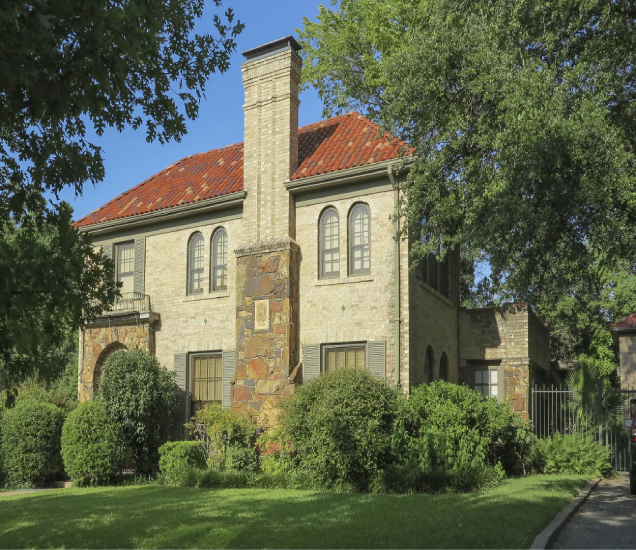
Berkeley Place, Ryan Place and Mistletoe Heights are the closest neighborhood associations to Fairmount on the city’s map, each within about a mile and a half, and we cover all three. To the west, Westcliff and the streets around TCU sit a little under three miles away. Northwest, Arlington Heights, where most homes went up in the 1940s, is a generation younger.
We are open Monday to Friday 7 to 6 and Saturday 8 to 3, with a 24/7 line for emergencies. Call 817-290-3373 or book online.
The city dates the district’s development to 1890 through 1938, with the largest share of houses from 1905 to 1920. In Census tract 1041, about 66% of homes were built in 1939 or earlier.
The city requires one for any change to the exterior of a historic property, before permits or construction. Work that stays inside the house is a different matter, so ask the Historic Preservation office about anything that shows on the outside.
Cast iron water mains on streets such as West Magnolia Avenue, 5th Avenue and Hemphill Street, and sewer mains in several alleys. The private line from the meter to your house remains the owner’s responsibility.
Yes. A ductless mini-split runs a small refrigerant line through the wall to an indoor head, so no ductwork has to be built into the house.
Same day appointments across Fort Worth & Tarrant County. Fully-stocked trucks, friendly uniformed techs, upfront flat-rate pricing, call now and we’ll be there.

Monday to Friday: 7 am to 6 pm
Saturday: 8 am to 3 pm
Sunday: Closed
Emergency line answered 24/7: 817-290-3373
License #: TACLB00028662E | M46192 | TECL-38309